Surface
Dry flies
Mayflies, caddis, stoneflies, hoppers. Fish the film. Watch the drift, not the scenery. Mend early so the fly does not drag.
Fly fishing
Fly fishing is presentation first. The fly is a suggestion. The current, the leader, and your patience do the real work.
You cast the weight of the line, not a heavy lure. That lets you drop a nearly weightless fly onto a rise, swing a streamer through a seam, or tick a nymph along the stones. Trout made the sport famous, but bass, panfish, carp, bonefish, and stripers all take a fly when it is shown well.
Start with a 9-foot 5-weight for most trout rivers. Move to a 6- or 7-weight for bigger water and streamers, an 8-weight for bass and light salt, and a 9- or 10-weight when wind and larger fish enter the picture.

Most days you only need one of these. Master it before you change boxes.
Mayflies, caddis, stoneflies, hoppers. Fish the film. Watch the drift, not the scenery. Mend early so the fly does not drag.
Most feeding happens under the surface. Indicator or tight-line. Keep contact. If you cannot feel or see the fly, you are not fishing it.
Baitfish and leeches for aggressive fish. Vary retrieve: strip, pause, swing. Cover banks, drop-offs, and shade lines.
The fly box
A fly is a hint about food, not a photograph of it. Size and where it rides in the water matter more than a perfect wing. Below are the main families, the patterns that cover most days, and Amazon links if you want to stock a box.
As an Amazon Associate, Fisherman's Corner earns from qualifying purchases.
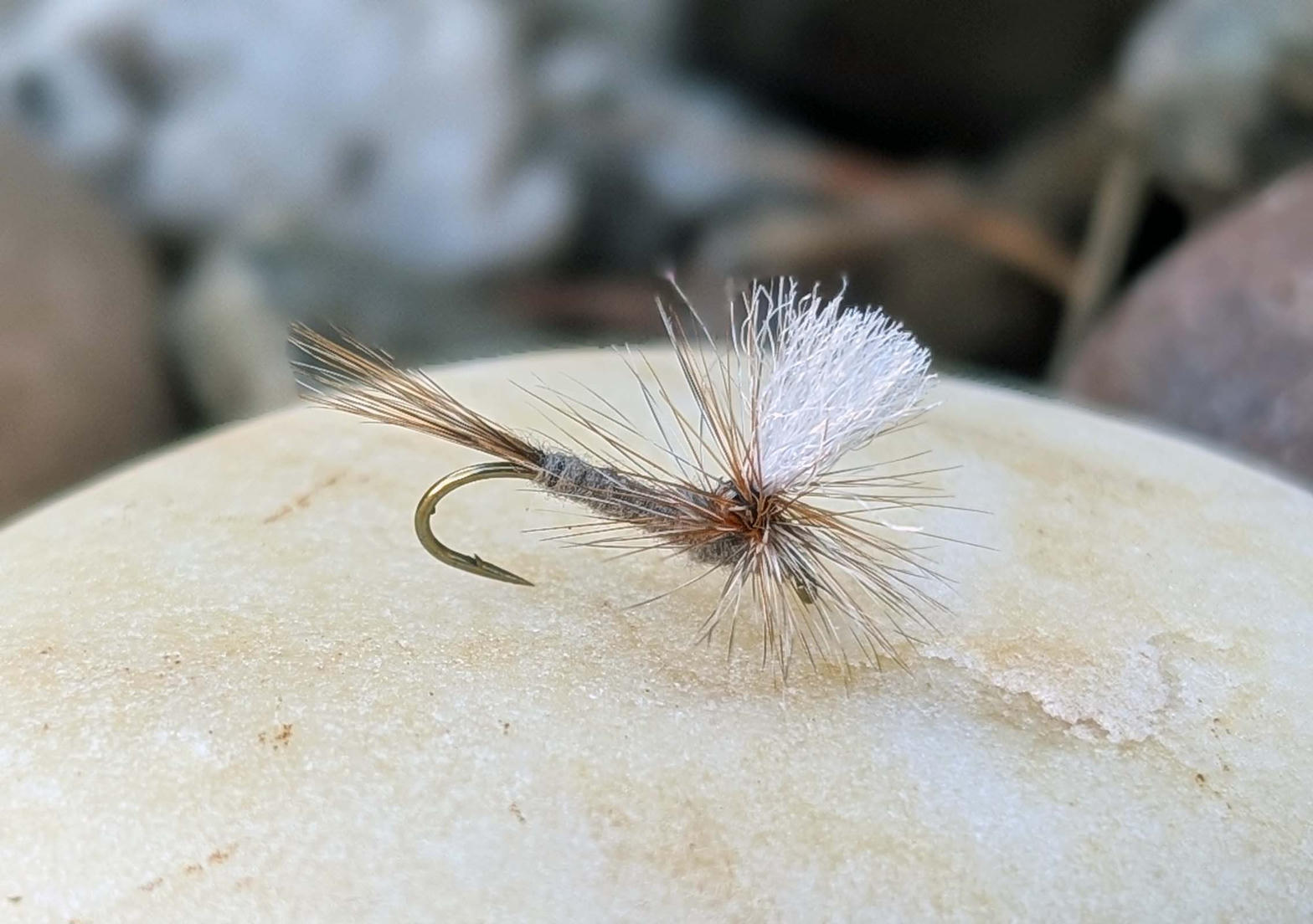
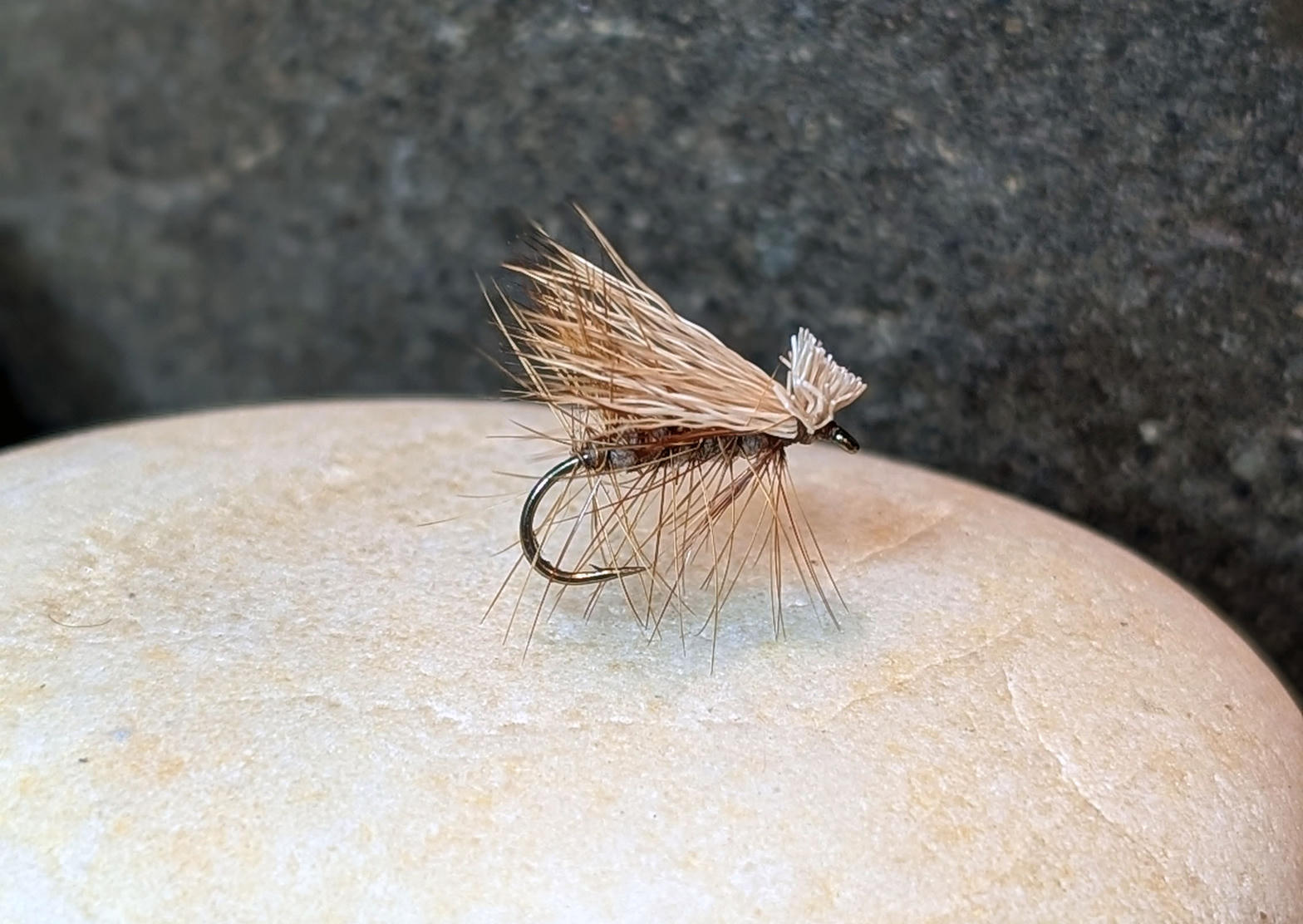
Dry flies float. They stand in for adult mayflies, caddis, and stoneflies, or anything else a trout will eat off the surface. Watch the drift. If the fly drags, mend or recast. Classic starters: Parachute Adams (a general mayfly), Elk Hair Caddis (skittering adult), and a Comparadun when fish are picky.
Fish sizes 12–18 on most trout water. Grease the fly and the last few inches of tippet.
An emerger sits in or just under the film — the moment a nymph becomes a winged insect. Trout often key on this stage and ignore high-floating dries. RS2, Sparkle Dun, and CDC emergers work when you see noses but no takes on a dry.
Fish them as the point fly in a dry-dropper, or alone on 5X–6X in flat water.
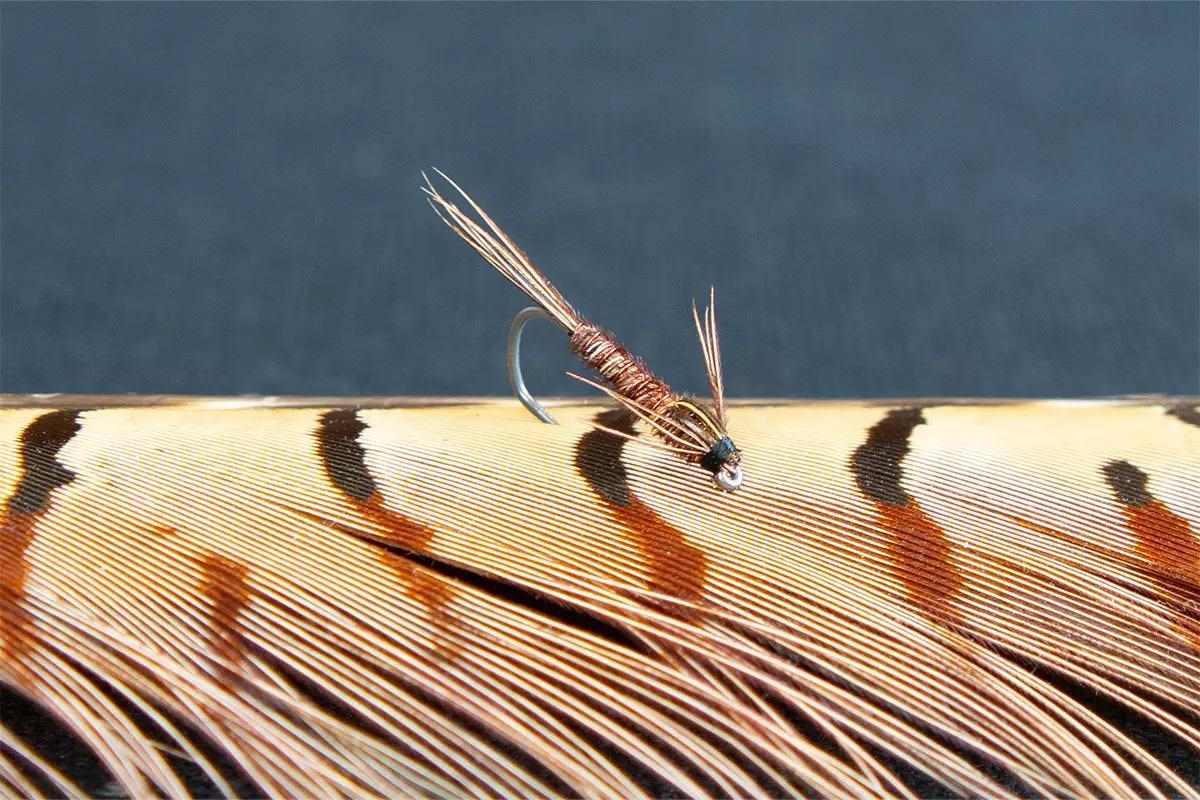
Most trout food lives below the surface: mayfly nymphs, caddis larvae, stoneflies. A Pheasant Tail imitates many mayfly nymphs. A Hare's Ear is a fuzzy generalist. A Prince Nymph and a simple beadhead work when you need a little flash and weight. Dead-drift them. If you cannot feel or see the fly, you are not fishing it.
Sizes 12–18. Indicator or tight-line. Change depth before you change pattern.
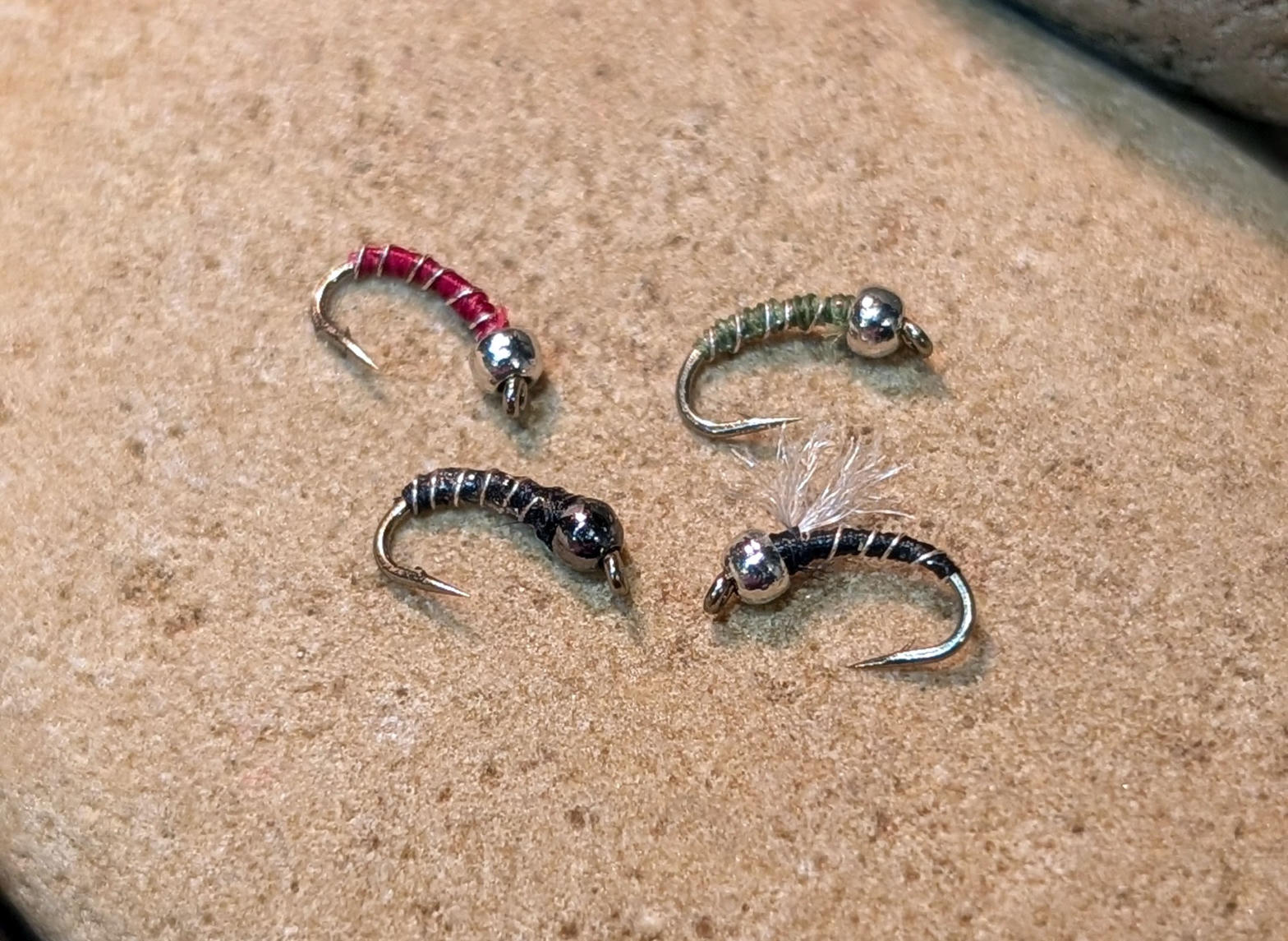
Midges hatch year-round, especially in winter and on still water. A Zebra Midge is thread, wire, and a bead — that is the whole fly. Fish 18–22 under an indicator or as a dropper behind a larger nymph. Black, red, and olive cover most rivers.
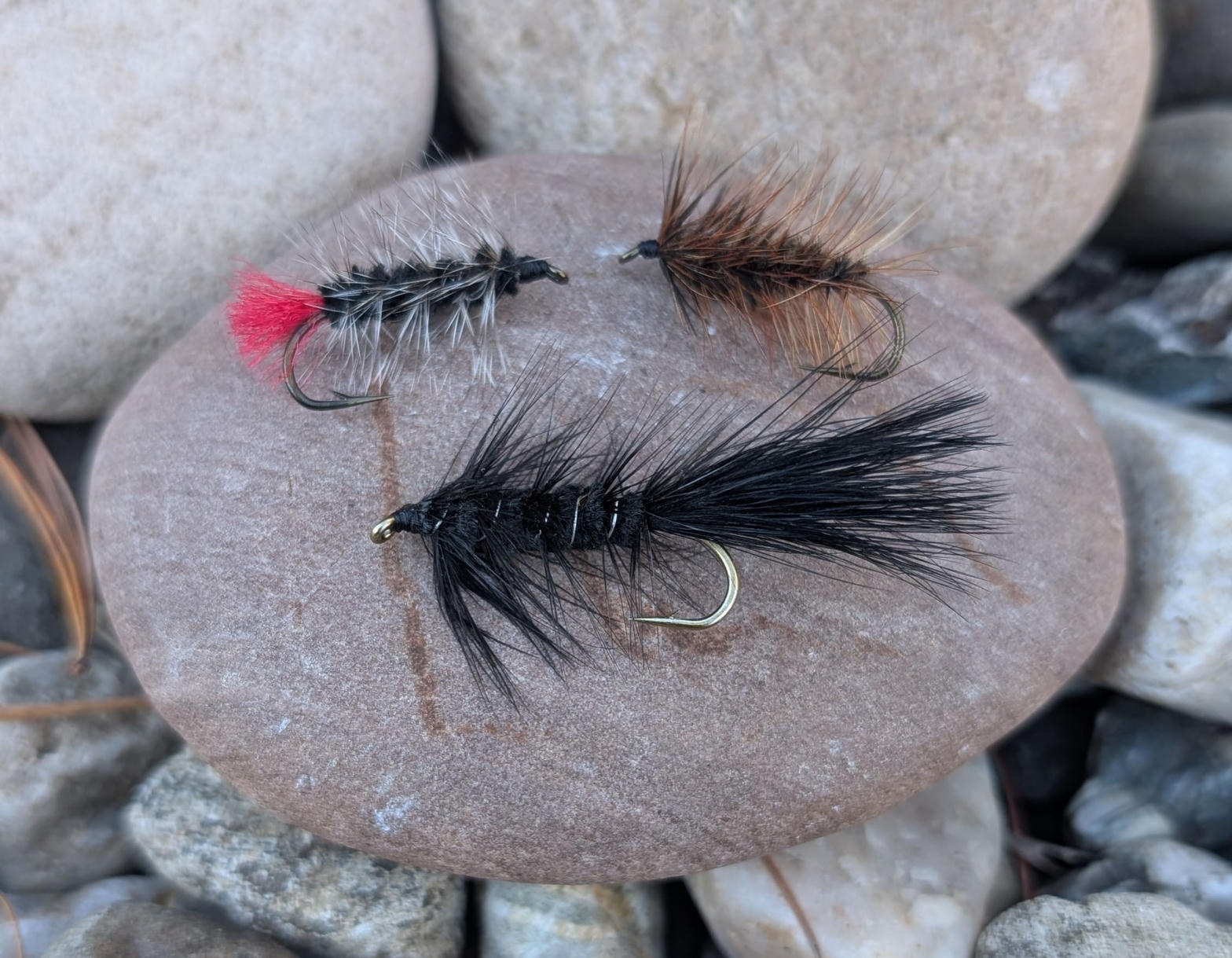
Streamers imitate baitfish, leeches, and large nymphs. The Woolly Bugger is the pattern that has caught more species than almost any other fly. Strip, pause, and swing. Olive, black, and white in sizes 4–10. On bigger water, add a weighted sculpin or a simple baitfish.
A 6- or 7-weight makes the cast easier when the fly is wet and heavy.
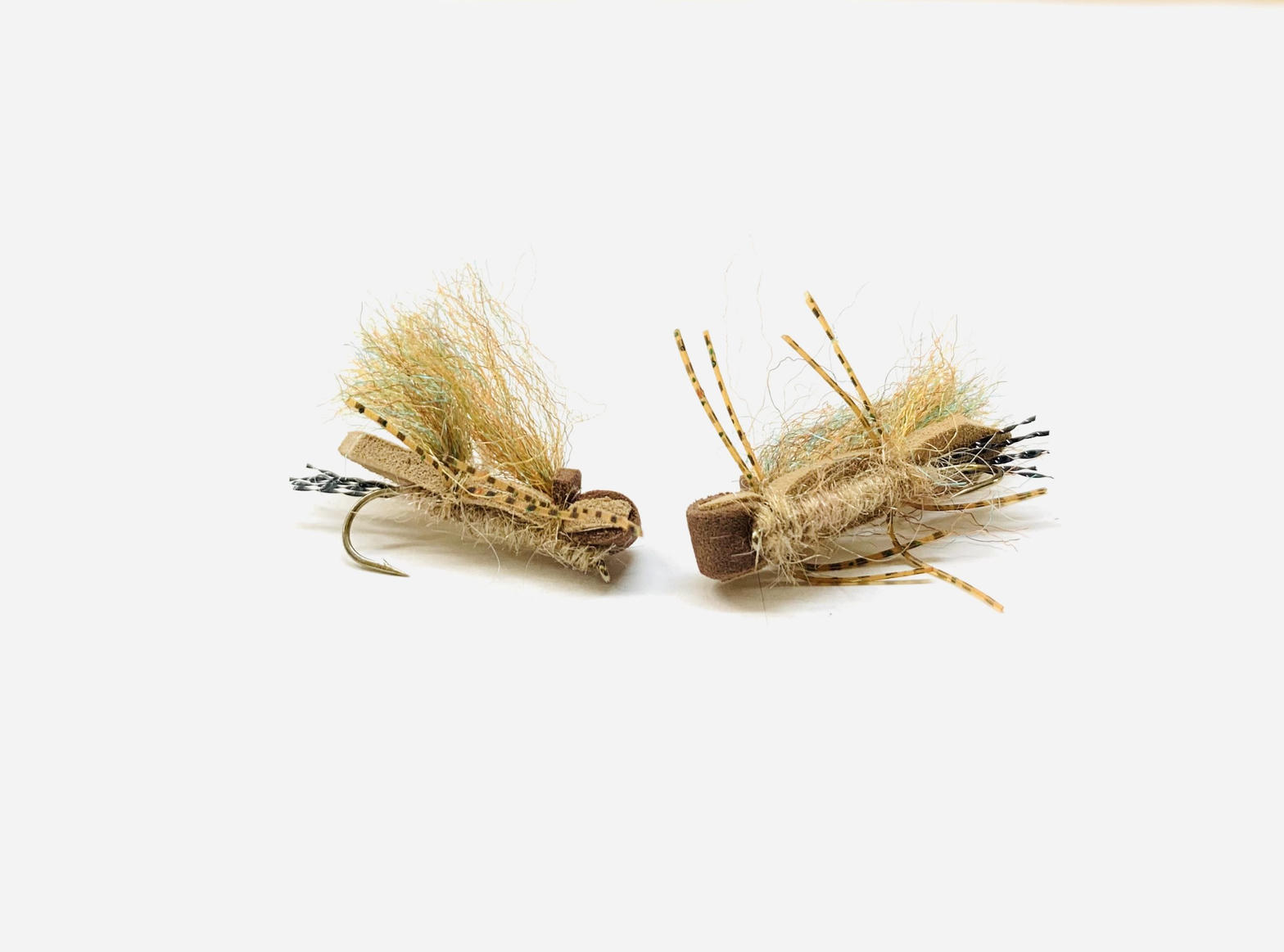
Hoppers, ants, and beetles fall in from the grass. Midsummer through fall, a foam hopper along the bank is often better than a perfect mayfly. Ants on flat water in the afternoon. Beetles under trees. Slap is allowed — fish expect a clumsy landing.
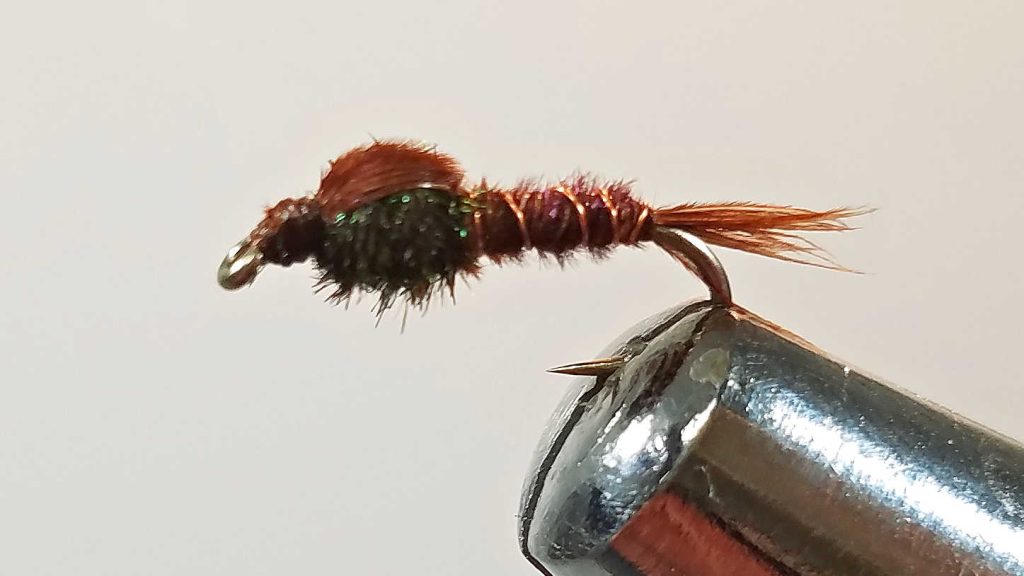
Older than the dry fly. Soft hackles pulse in the current and look like an insect that just kicked free. Cast across, let the fly swing through the seam, and wait for a tug as the line comes tight. Partridge and Orange, a simple wet Adams, or a soft-hackle Pheasant Tail.
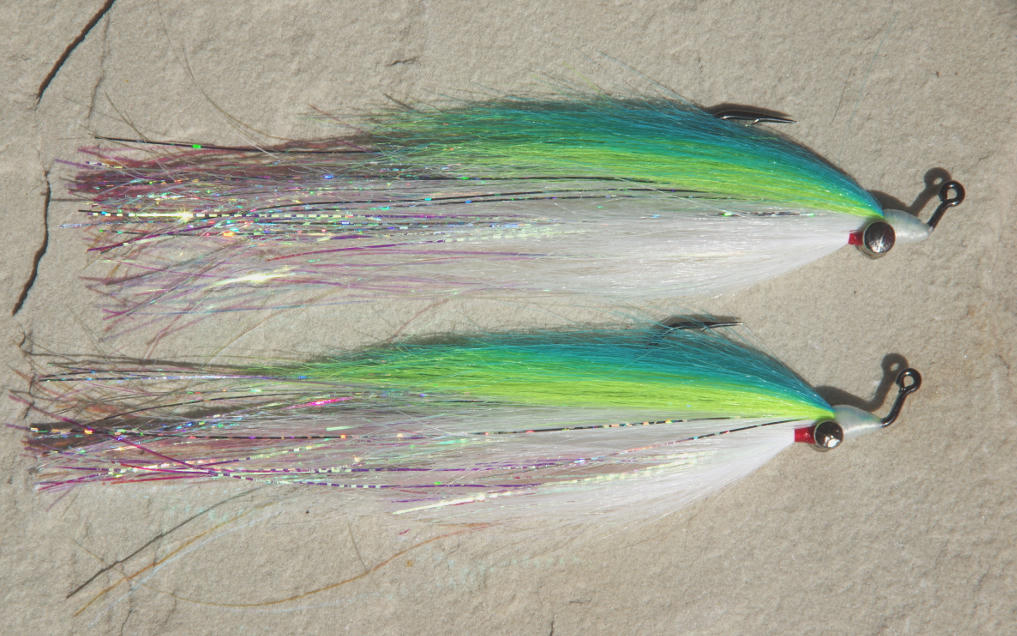
The Clouser Minnow is the saltwater workhorse — weighted eyes, bucktail, and a baitfish profile that also takes smallmouth in rivers. Add a Lefty's Deceiver for bigger bait, and a crab or shrimp pattern for flats. Use stainless or tinned hooks and rinse them after the trip.
Ethics matter here. Wet your hands before handling fish. Keep them in the water when you can. Barbless hooks make releases cleaner.
As an Amazon Associate, Fisherman's Corner earns from qualifying purchases.
The standard trout stick for most rivers.
View on AmazonWeight-forward floating line to match the rod.
View on AmazonDries, nymphs, and a couple of buggers in one box.
View on AmazonA slim waterproof box so the patterns above stay dry and sorted.
View on AmazonKeep dries up and nymphs down. Two small bottles change the day.
View on Amazon