
The beach
Surf fishing
Cuts, troughs, and bars hold fish. Cast beyond the first break. Fish two hours either side of the tide change. Heavy leaders, pyramid sinkers, and fresh bait.
Saltwater fishing
Saltwater fishing is movement: incoming water, outgoing water, and the fish that ride both. Learn the tide table before you learn a new lure.
Cuts, troughs, and bars hold fish. Cast beyond the first break. Fish two hours either side of the tide change. Heavy leaders, pyramid sinkers, and fresh bait.

Redfish, snook, speckled trout, striped bass, and flounder. Grass edges, docks, oyster, and mangrove points. Soft plastics and topwaters at first light.
Trolling, bottom fishing, and live-baiting beyond the inlet. Weather windows matter more than any lure color. File a float plan. Respect the sea.
Incoming water pushes bait onto flats, into creeks, and against the beach. Outgoing water pulls them out of drains, cuts, and inlets. Fish the moving edges — the last hour of a falling tide in a marsh drain, the first push onto a flat, two hours around a tide change on the bar. Slack water is usually a sandwich break, not a program.
Look for current seams, color changes, bait dimpling, birds, and waking fish. If you cannot name the stage of the tide, you are guessing with lures.

Tails on the flat, wakes on a shoreline, or a dark slot along grass. Gold spoons, paddle tails, and a slow shrimp imitation. Sight-fish when the water is clear; bump the bottom when it is not.
Grass edges, drop-offs, and lights at night. Soft plastics under a popping cork or on a light jighead. Topwater at first light in warm months. Do not horse them — the mouth is thin.
Inlets, docks, mangrove points, and beach troughs in season. Cast up-current and swim past the structure. Strong leaders; they will try the piling. Follow closed seasons and slot limits.
Beaches, rips, and current seams from the Mid-Atlantic through New England. Match bunker, sand eels, or herring. Big plastics, metals, and live eels. Night and moving water.
Sandy bottoms near structure and creek mouths. Drag a bucktail or Gulp-style bait slowly. When you feel the weight, wait a beat, then sweep.
Passes, bridges, and beaches when the migration is on. Bigger tackle, crimped leaders, and a plan for the first run. These are not a first-salt trip.
What you throw
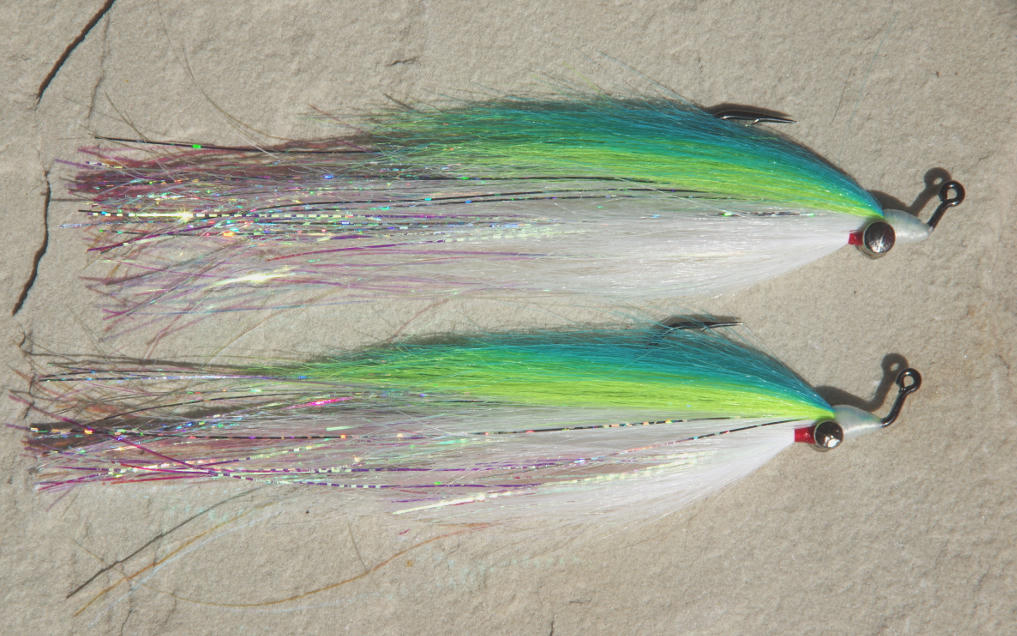
Match local forage first: shrimp, mullet, bunker, sand eels, crabs, pin fish. Then pick a lure that can swim that profile in the current you have.
As an Amazon Associate, Fisherman's Corner earns from qualifying purchases.
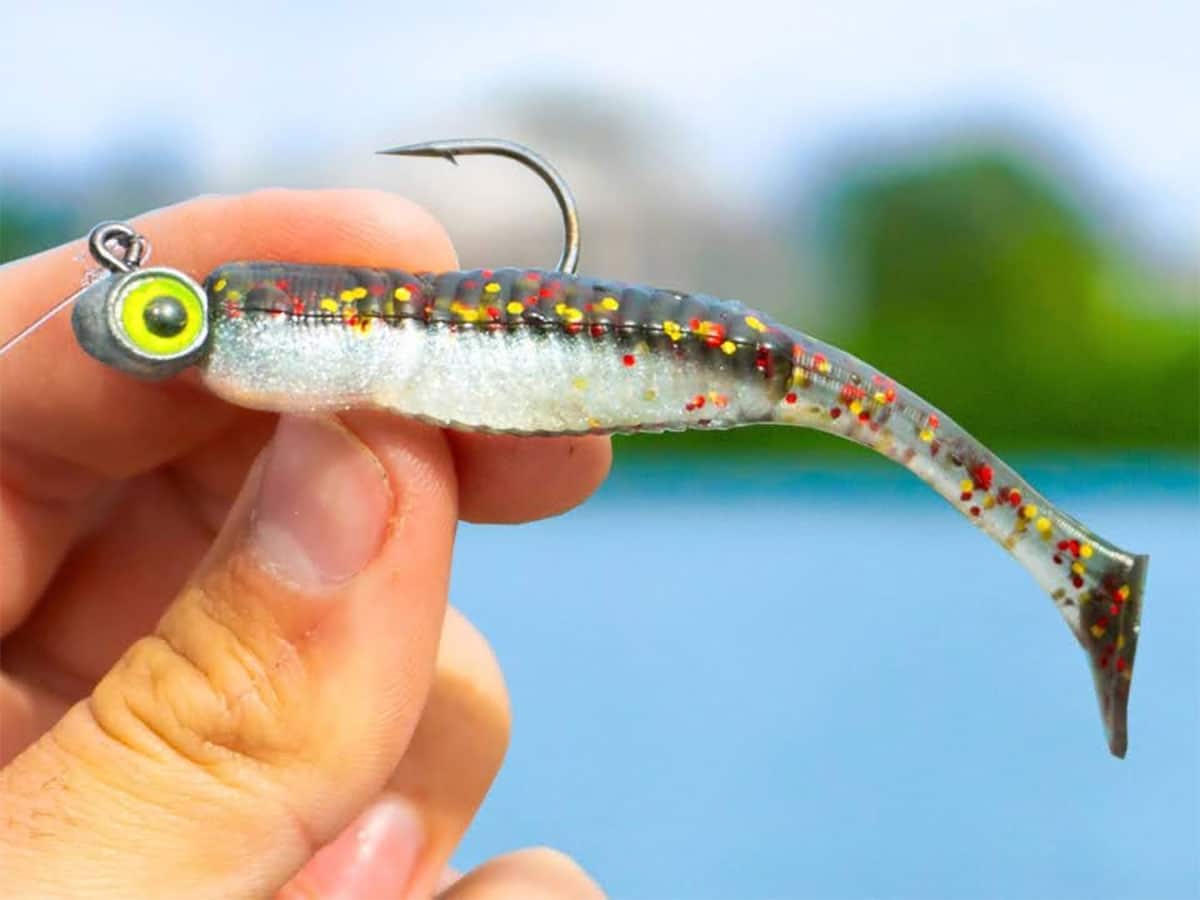
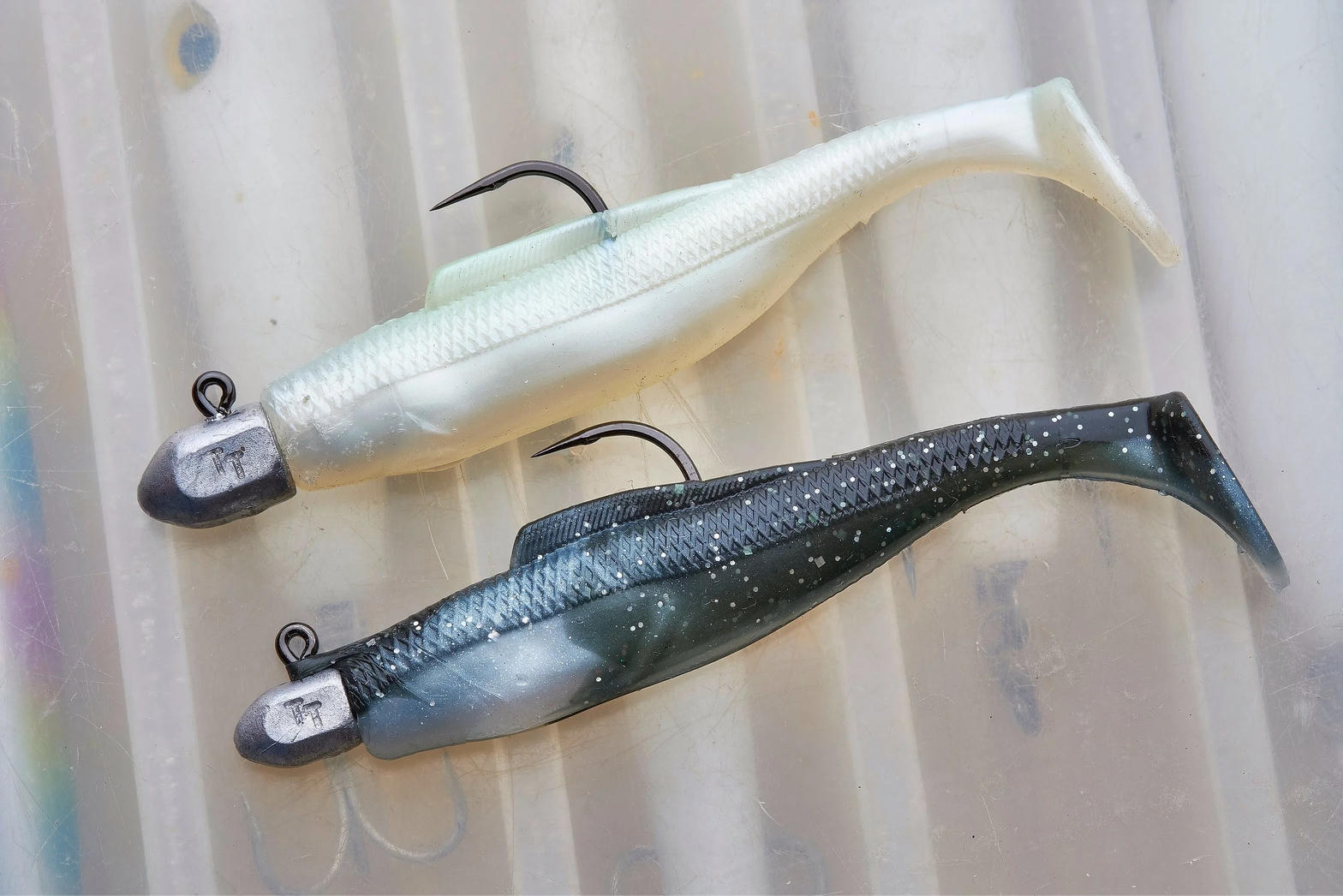
A 3–5 inch paddle tail or shrimp tail on a 1/8–3/8 oz jighead covers redfish, trout, and snook. Swim it just off the bottom. Bump grass and oyster, then pause. Color: something that looks like a shrimp or a mullet in your water — not a tackle-box rainbow.
A popping cork calls trout and reds in stained water or when you need to cover a flat. Pop, wait, pop. Walkers and poppers at daylight on calm grass edges. Same rule as freshwater frogs: wait to feel the fish before you swing.
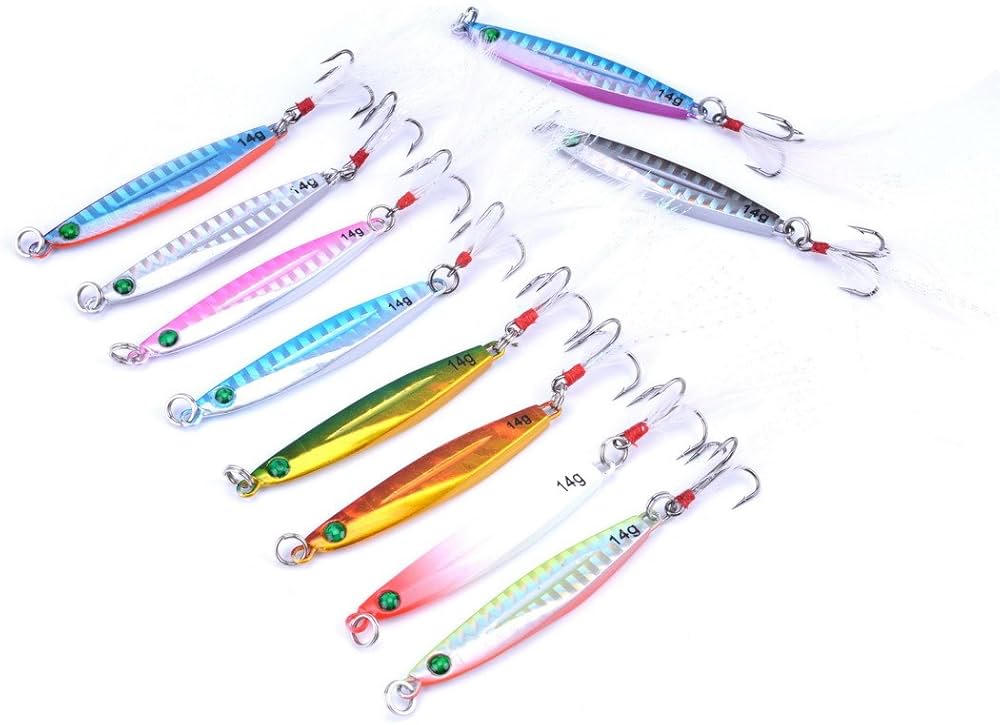
A gold spoon over a grass flat is still a redfish tool. Metals and diamond jigs reach striped bass and blues in a rip. Bucktails hopped along the bottom take flounder and anything that eats a fleeing baitfish. Keep a clip; salt eats split rings.
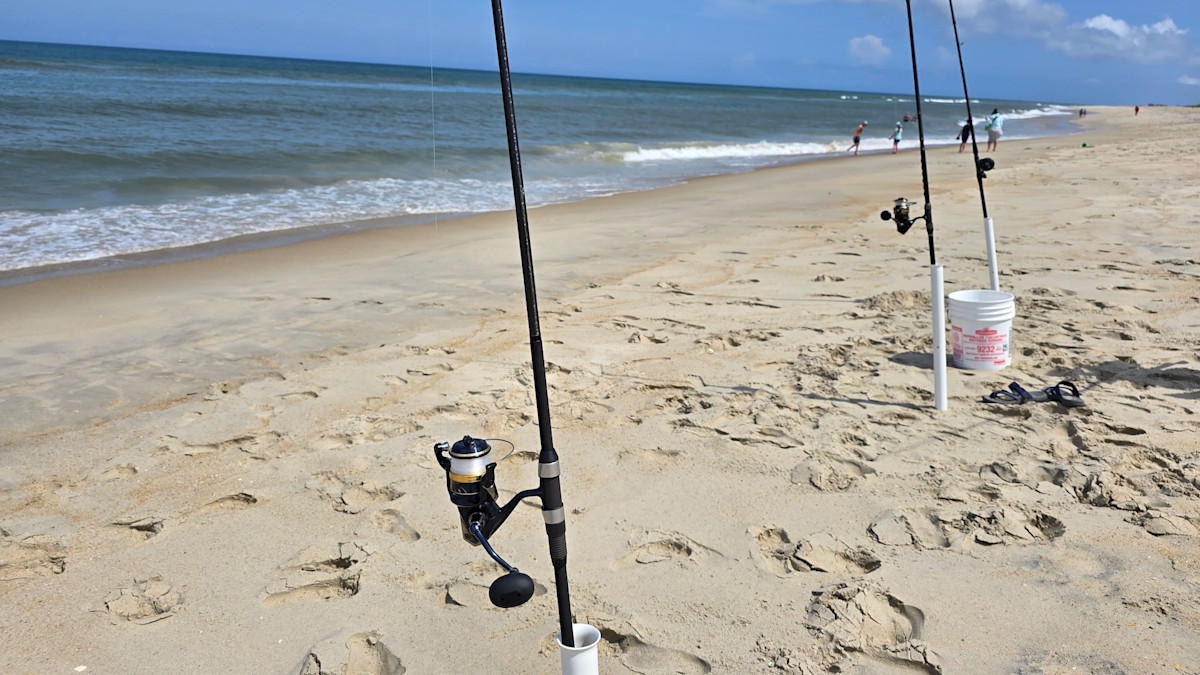
Fish-finder or high-low rigs with pyramid sinkers hold in the surf. Fresh mullet, bunker, shrimp, or sand fleas beat anything that sat in a freezer all winter. Live shrimp or a finger mullet under a float is an inshore default when artificials get ignored.
How you fish it
Sun at your back when you can. Polarized glasses. Lead the fish — do not hit it on the head. One cast that lands quietly beats three that blow the school.
Cast ahead of the boat or your walk, angle the retrieve along the grass or riprap, and keep the bait in the strike zone. Skip the middle of the creek until the edges go quiet.
Stand where bait has to pass. Cast across the current and swing, or bump bottom as water dumps out of a marsh. The last hour of the outgoing tide is often the whole bite.
Find the cut through the bar. Cast into the deeper slot, not the white foam on the sand. Check bait often; crabs and the wash steal it.
Count down, jig up, follow the bait down on a controlled fall. Most eats are on the drop. Stay vertical if the current allows.
Spread, speed, and a weather window. This is a different kit — heavier outfits, a plan for the inlet, and someone who knows the bar. Do not learn the inlet on a falling tide and an onshore wind.
Waves, current, and weather change faster on the coast. Wear a PFD in the surf and on small boats. Watch the bar. Tell someone when you will be back. A good saltwater angler comes home with stories and with the same crew they launched with.
As an Amazon Associate, Fisherman's Corner earns from qualifying purchases.
Sealed drag and a rod that can take spray.
View on AmazonFish-finder rigs and pyramid sinkers for the wash.
View on AmazonWear it in the surf and on small boats.
View on AmazonThin diameter for distance and feel in current. Add a fluoro leader.
View on AmazonYou cannot sight-fish a flat without them.
View on AmazonSpray the reel when you cannot get to a hose.
View on Amazon