Largemouth & smallmouth bass
Spring: shallow cover and beds. Summer: shade, docks, grass, and offshore humps. Fall: bait schools. A Texas-rigged worm, a crankbait, and a jig cover most days.
Freshwater fishing
Freshwater fishing rewards anglers who think in structure and season. Find where bait lives, then fish the path predators use to intercept it.
You do not need every lure. You need a plan for the fish in front of you.
Spring: shallow cover and beds. Summer: shade, docks, grass, and offshore humps. Fall: bait schools. A Texas-rigged worm, a crankbait, and a jig cover most days.
Low light and current seams for walleye; weeds and points for pike. Jigging, trolling crankbaits, and spinnerbaits all earn their keep. Wire or heavy fluoro around teeth.
Bluegill, crappie, and stocked trout teach timing. Small jigs, live bait under a float, and light spinning tackle. Fish the first breakline off the bank.
Scent, patience, and night hours. Channels, holes, and current breaks. Strong rods, circle hooks, and respect for the fight.
What you throw
Pick a family, then a retrieve. Color is the last change you make. Depth and how the bait moves come first.
As an Amazon Associate, Fisherman's Corner earns from qualifying purchases.
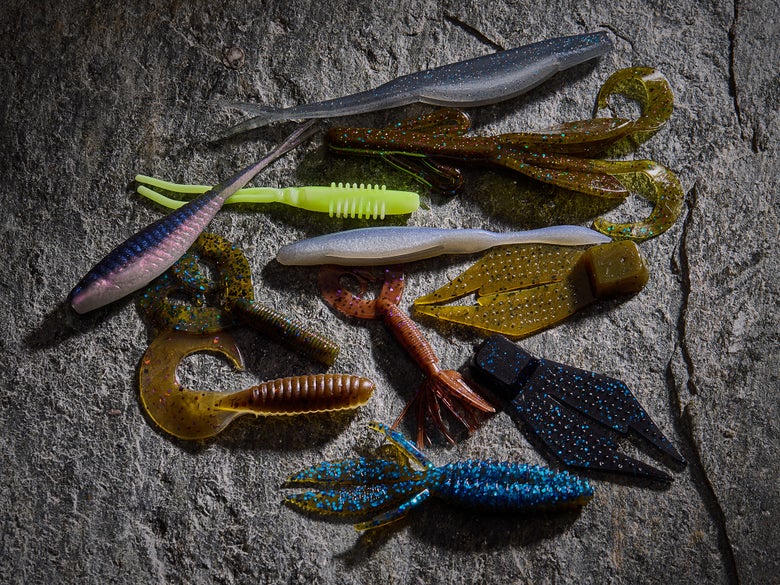
The most useful tray in freshwater. A Texas-rigged worm goes through grass and wood. A wacky or Ned rig fishes slowly on pressured bass. Creature baits and craws pair with a jig. Swimbaits imitate baitfish when fish are chasing.
Start with green pumpkin and a natural shad. Rig weedless when cover is thick.
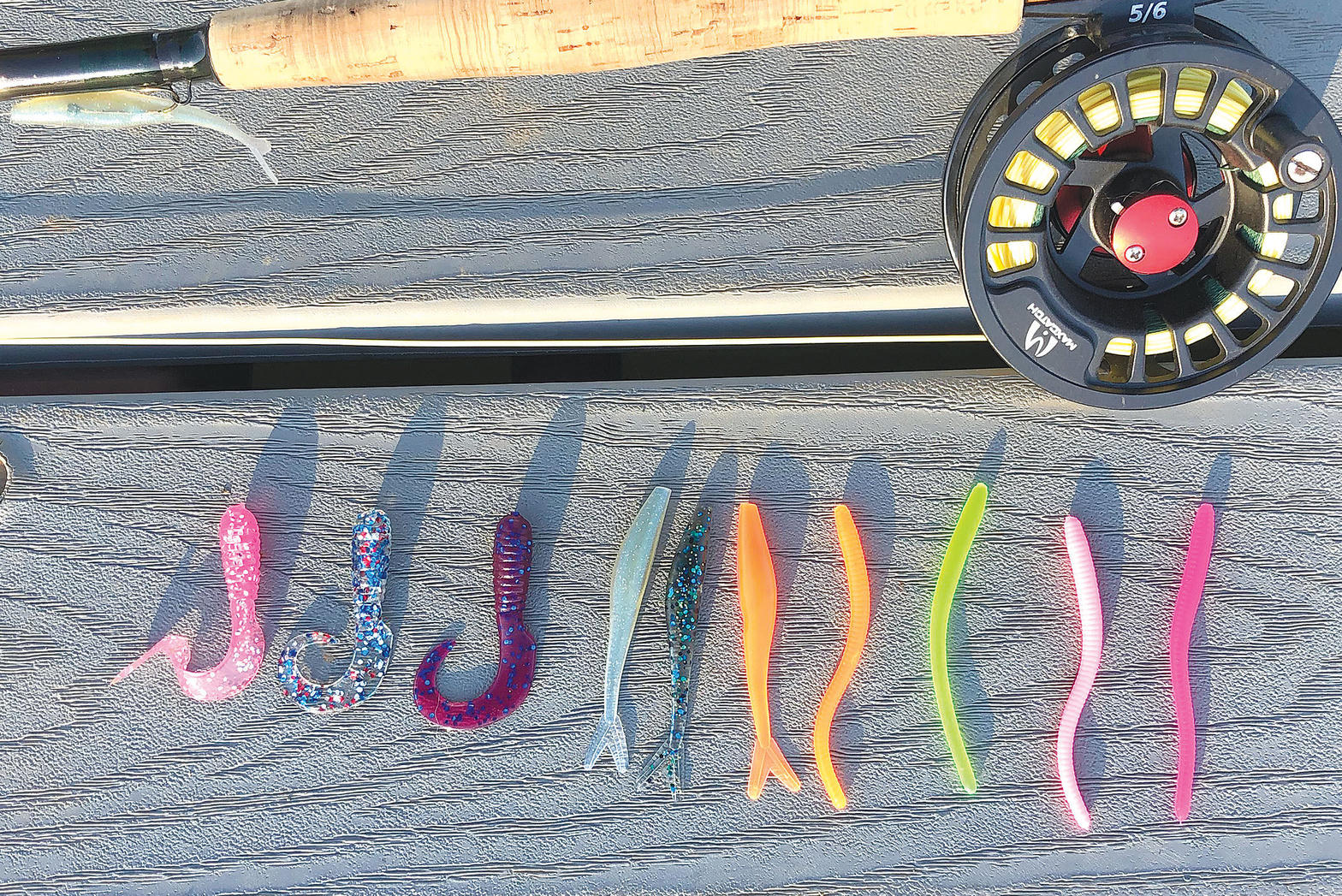
A jig is a head, a skirt or plastic, and a hook that comes through cover. Flip a flipping jig into wood. Drag a football jig on rock. Tiny 1/16–1/8 oz jigs with a grub catch crappie, perch, and trout along the first break.
Search baits. A squarebill bangs wood in shallow water. A medium diver tracks along a break. A jerkbait pauses in cold or clear water. Lipless cranks rip through grass. Match bill size to the depth you marked — change depth before color.
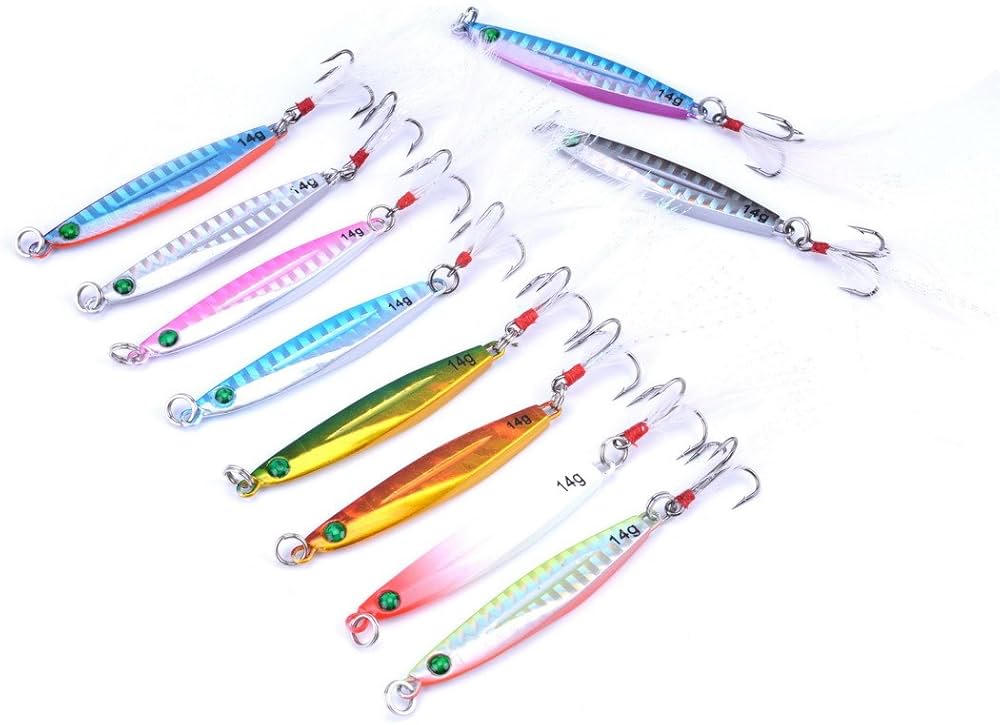
Flash and vibration when water is stained or wind is up. A spinnerbait runs through wood. A chatterbait (bladed jig) thumps along grass edges. Spoons jig vertically for walleye and trout, or flutter through a school.
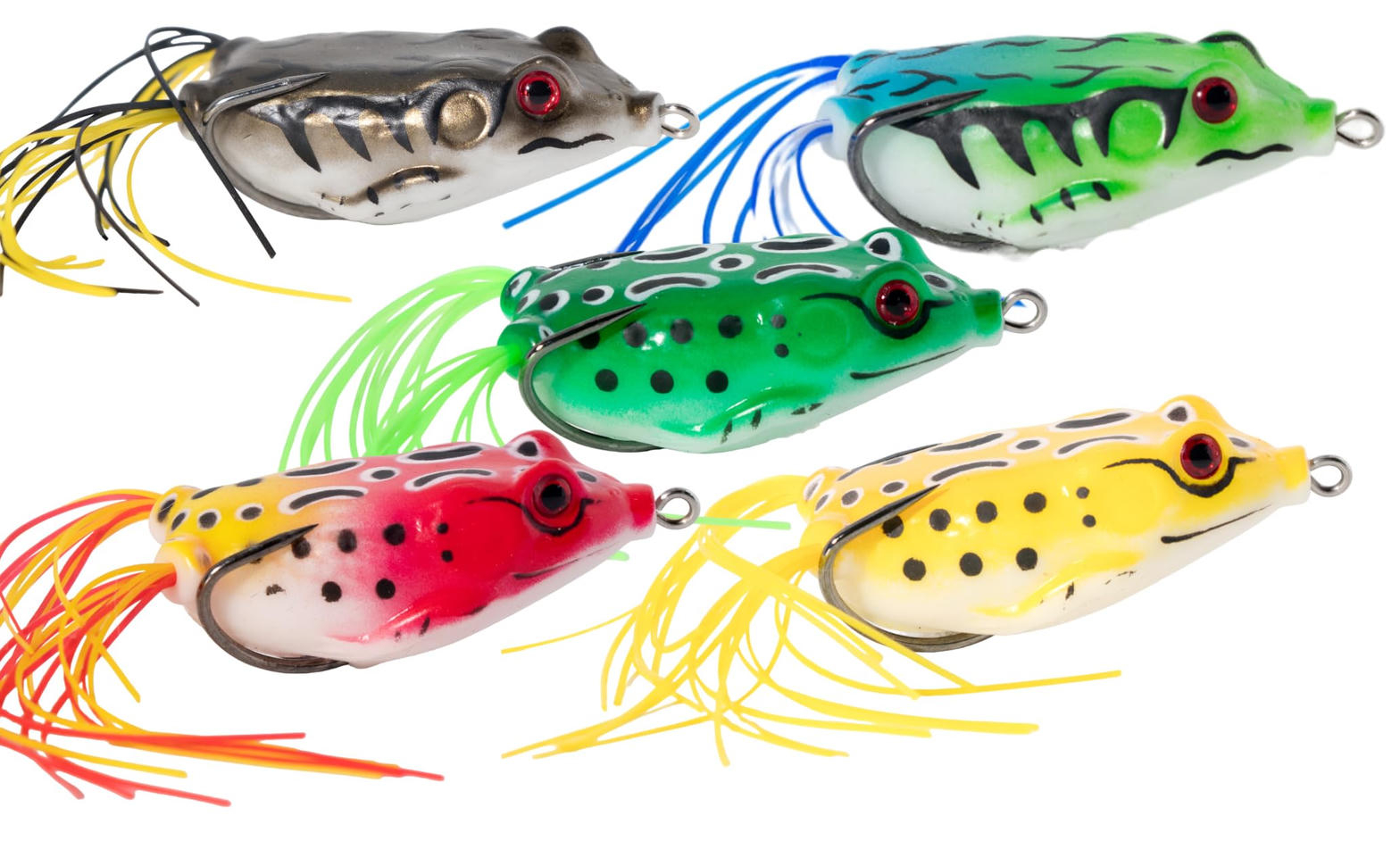
Low light, warm water, and cover. A walking bait works points and open banks. A popper is slower and louder in calm pockets. A hollow frog slides over pads and slop; wait to set until you feel the fish.

Minnows, nightcrawlers, and leeches under a float or on a jig catch panfish, walleye, and trout. Catfish want cut bait, stink bait, or dough on a circle hook in a hole or current break. Keep bait legal for the water you are on.
How you throw it
The bait only works if it lands where the fish lives. Different cover asks for a different cast — not a longer one.
The default search cast. Load the rod on the backcast, stop high, let the lure fly on a slight arc. Use it for crankbaits, spinnerbaits, and covering a bank. Keep the trajectory low if there is wind.
A short underhand swing. Hold the lure, load the rod tip, release so the bait pendulum-swings to a target 10–25 feet away. Quiet. Made for the outside of a bush, a dock piling, or a laydown.
Even shorter. Pull line off the reel by hand, swing the lure on a tight pendulum into a hole in grass or wood, and drop it straight down. Thumb the spool. Heavy fluoro or braid, a stout rod, and a pegged weight.
Sidearm, low trajectory, so the bait skips under a dock like a flat stone. Soft plastics on a compact jig or a weightless worm skip best. Practice on a garage door before you practice on someone else’s boat.
When trees sit on your backcast. Sweep the rod sideways or roll the lure forward off the water. Keep the lure close to the surface so it does not climb into branches.
Not a cast — a controlled drag. Crankbaits and crawler harnesses behind a boat at a set speed cover breaks and humps for walleye and trout. Count down, then change board or lead length before you change color.
Drop a spoon or jig to the fish you marked and work it in place. Short lifts, pause, feel the weight. Ice anglers and summer walleye anglers use the same motion.
Cast past the spot, tighten to the float, and wait. Slip bobbers let you set depth for suspended crappie and trout. The “cast” is only half the work — the drift has to look like nothing is attached.
Match bait to cast: frogs and jigs get pitched or flipped; cranks and spinnerbaits get an overhead search; worms get skipped under docks. Change the cast when the cover changes, not when you get bored.
After it hits the water
The retrieve is how you make a dead lure look like food. Speed, pause, and rod angle matter more than the color on the box. Start simple. Add motion only when fish tell you they want it.
As an Amazon Associate, Fisherman's Corner earns from qualifying purchases.
Reel at one speed and keep the rod at a constant angle. The lure’s built-in action does the work — crankbait wobble, spinnerbait thump, swimbait tail. Count the lure down, then crank. If you feel nothing, you are above the fish or the lure is fouled. Change retrieve speed in small steps before you change baits.
Use it for: crankbaits, spinnerbaits, inline spinners, swimbaits.
Reel, pause, reel. The pause is the strike window — a dying baitfish hangs and then kicks. On a crankbait, kill it when it ticks a stump. On a jerkbait, the pause can last two seconds in warm water or ten in the cold. Keep a bow in the line so you still feel the fish when the lure is sitting.
Use it for: crankbaits, jerkbaits, lipless cranks, some swimbaits. Jerkbait cadences are spelled out in twitching rhythms.
Walk-the-dog: rod tip low, short twitches of the wrist, slack between twitches so a walking bait slides left-right-left. Pop: snap the rod tip to spit water with a popper, then wait until the rings die. With a frog, walk or crawl it across pads; when the blow-up happens, drop the rod, feel the weight, then sweep.
Use it for: walking baits, poppers, frogs, buzzbaits (steady and ugly on the buzzbait — do not pause a buzzbait long).
Drag: keep the bait in contact with mud or rock and crawl it. You feel every pebble; so does the fish. Hop: lift the rod a few inches and let the jig fall on slack or semi-slack line — most bites come on the drop. Swim: lift the rod and reel just enough that a worm or swimbait stays off the bottom and glides. If you lose feel, you have too much slack or too light a head.
Use it for: jigs, Texas rigs, Carolina rigs, Ned rigs, spoons.
Rip: pull a lipless crank or spoon free of grass with a sharp lift, then let it fall. Fish often eat it as it breaks out. Yo-yo: lift and fall a spoon or jig through a marked school without cranking much line. Slow-roll: crawl a spinnerbait or chatterbait just fast enough for the blade to turn, often a foot above the grass or the bottom. When in doubt, slower than you think.
Use it for: lipless cranks, spoons, spinnerbaits, chatterbaits.
Cadence
A jerkbait is a minnow that darts and then hangs. The twitch is how you dart it. The pause is how you get bit. Most people twitch too hard and do not wait long enough.
As an Amazon Associate, Fisherman's Corner earns from qualifying purchases.
Use a suspending jerkbait for most of this. After the dive, it should sit in the column instead of floating up or sinking out of the strike zone. Floating models work shallower and rise on the pause. Sinking models count down for deeper fish. Fluorocarbon helps the bait stay down; a twitch-twitch rod in the 6'6"–6'10" medium range keeps the snap in the tip.
| Rhythm | How it looks | When |
|---|---|---|
| Jerk–pause | One sharp twitch, then a dead hang. Repeat. The bait darts a foot and freezes. | Cold water, post-front, pressured fish. Pauses of 5–15 seconds are normal. |
| Jerk–jerk–pause | Two twitches, then hang. The classic cadence. Two darts look like a baitfish kicking twice and stalling. | The default in 45–60°F water. Start here if you do not know the mood. |
| Jerk–jerk–jerk–pause | Three shorter snaps, shorter pause. More travel, less hang time. | Warmer water, wind, or fish that chase. Also good for covering a long point. |
| Rip and kill | A harder sweep that makes the bait slash, then a full stop with slack. | Aggressive fish in fall, or when you tick a piece of wood and want a reaction. |
| Twitch on slack | Leave a bow in the line so the bait darts sideways instead of toward you. | Clear water when a straight-at-the-boat dart looks fake. Watch the bow for the bite. |
Two baitfish
Both imitate a minnow. A jerkbait darts and hangs. A swimbait swims. Use the one that matches how bait is moving — fleeing and stalling, or traveling in a school.
As an Amazon Associate, Fisherman's Corner earns from qualifying purchases.
| Jerkbait | Swimbait | |
|---|---|---|
| What it is | Hard minnow with a small bill. Most useful versions suspend after they dive. | Soft or hard bait with a paddletail or jointed body that kicks on a straight retrieve. |
| How it looks alive | Side-to-side slash, then a dead hang. The pause is the meal. | Continuous tail thump or S-swim. It looks like a fish going somewhere. |
| Retrieve | Twitch and wait. You work the rod. See twitching rhythms. | Mostly a steady or stop-and-go reel. The tail does the work. Count it down, then swim it. |
| Best water | Clear to slightly stained. Cold and post-front. Windblown points and bluff walls where bait suspends. | Any color if the profile is right. Grass edges, schools in open water, around bait balls, warmer months. |
| Depth control | Bill size and line diameter set a narrow band. A 110 stays roughly 3–6 feet. You do not “reel it deeper.” | Head weight and count-down. 1/4 oz stays high; 3/4 oz and heavier get to the school. Easy to change depth mid-day. |
| Cover | Poor in grass and wood. Treble hooks hang. Fish it over rock, points, and open banks. | Soft swimbaits on a jighead come through grass better. Hard glide/jointed baits want open water. |
| Hookup | Two or three trebles. Fish often hook themselves on the pause if you keep a little slack and then reel into them. | Single hook on most soft swimbaits — better for cover, easier to miss a short strike. Trailers and bigger profiles help. |
| When fish want it | They will not chase. You have to stop the meal in front of them. | They are hunting and will run a moving bait down. Also when you need to cover water like a crankbait but look more like a fish. |
| First choice | Early season, cold fronts, clear highland lakes. | Once baitfish school and the water warms, or any day you marked fish under birds. |
You see dimples or bait on the graph that is not moving much. Two twitches and a long pause beats swimming past their nose. Keep a 110-class suspender and a smaller 80–90 for slick calm days.
Birds, boils, or a line of shad along a grass edge. Swim a 3–5 inch paddletail at the depth you marked. Size up only after they ignore the small one. A jighead plus a spare pack of tails covers more water than one expensive hard swimbait.
If they follow a swimbait and will not eat, pick up the jerkbait and make it stop. If they will not move to a paused jerkbait, swim something through the same depth.
Wind stacks bait on one shore. Points, creek mouths, weed edges, and standing timber are highways. If the water is stained, fish louder and shallower. If it is clear, downsize and stay farther back.
As an Amazon Associate, Fisherman's Corner earns from qualifying purchases.
A medium rod that covers lakes and rivers.
View on AmazonSoft plastics, spinnerbaits, and a crank or two.
View on AmazonClear leader material for pressured fish.
View on AmazonFor pitching, flipping, and heavier cover baits.
View on AmazonWeights, hooks, and swivels so the baits above can be rigged.
View on Amazon