
Graphite days
Distance, wind, and mixed tactics
Reach the far bank, punch a hopper into weather, nymph a long run, then strip a streamer through the same pool. Graphite keeps up when the river keeps changing the problem.
On the water
The blank changes the day: how long you wait on the backcast, how the fly lands, and which water you bother walking to. This is the fishing, not just the catalog copy.
Graphite and fiberglass both cast a numbered fly line. Graphite stores energy in a short, stiff tip and gives it back fast. Fiberglass stores energy deeper in the blank and gives it back slowly. That delay is the whole argument. Fish it on purpose instead of fighting it.
If you only fish one rod, a medium-fast 9-foot 5-weight graphite still covers the most water. Glass earns its place when the cast is short, the canopy is low, and you want the rod to tell you when the line is loaded.
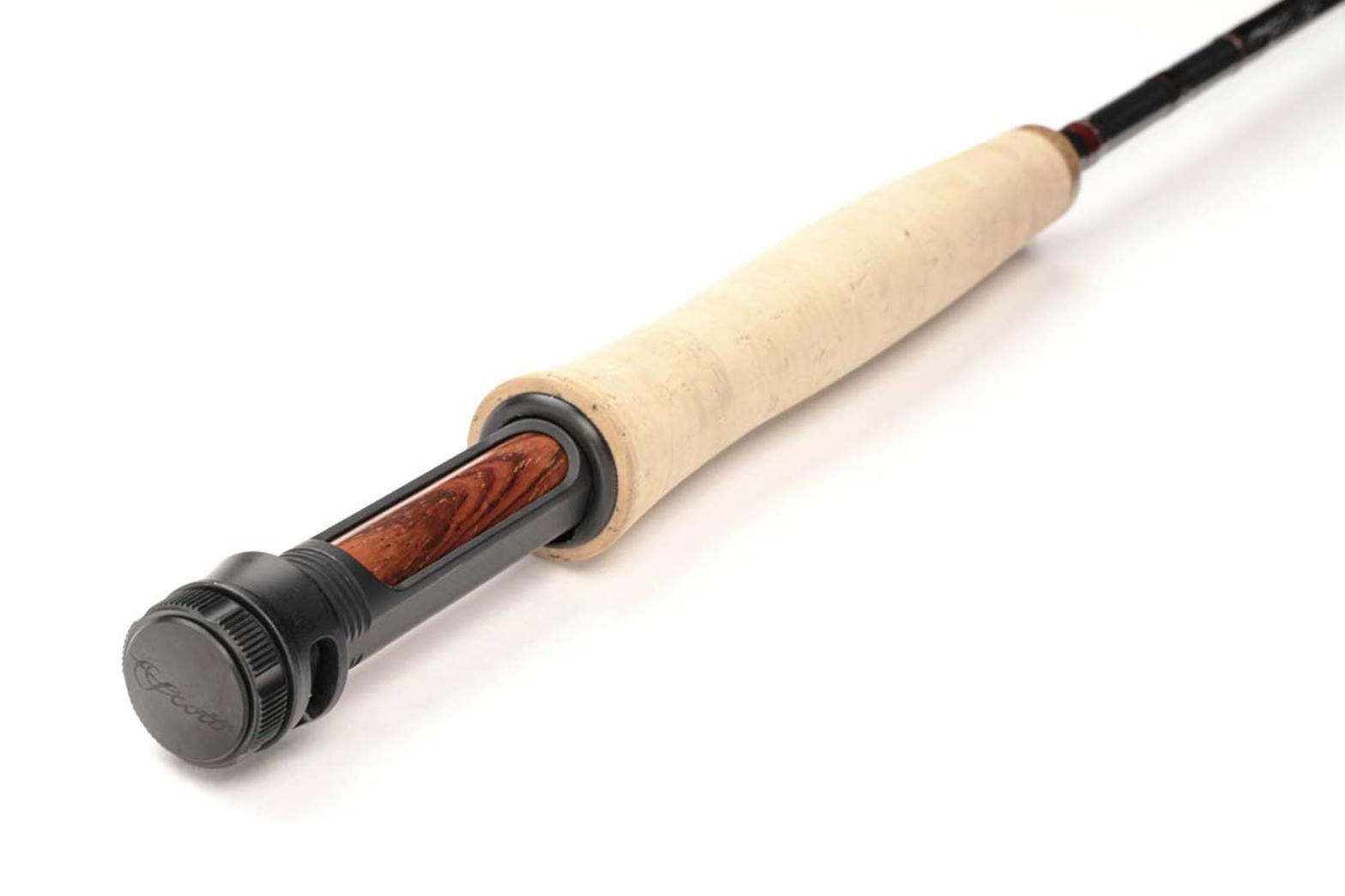
Reach the far bank, punch a hopper into weather, nymph a long run, then strip a streamer through the same pool. Graphite keeps up when the river keeps changing the problem.
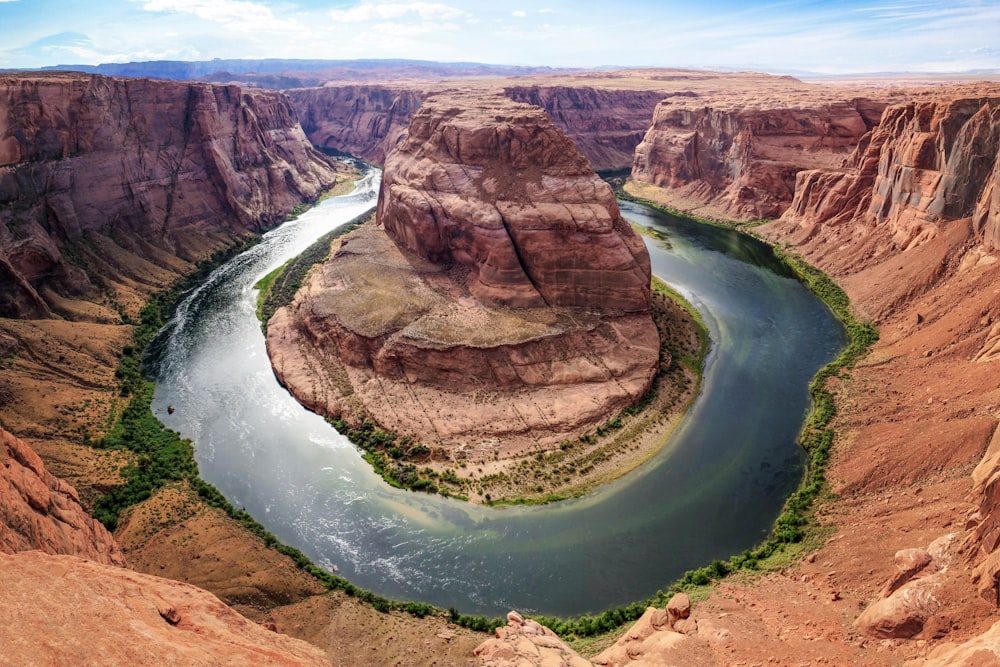
Fifteen to thirty feet, a dry in a pocket, a soft landing on a spring creek, a bluegill pond at dusk. Glass makes those casts feel finished instead of hurried.
The stroke
Casting is timing the unrolling loop to the rod’s recovery. Graphite recovers fast, so the stroke is compact. Fiberglass recovers slowly, so the stroke is longer and you wait on the load. Use the same clock positions if you like — change how long you stay in them.
| Part of the cast | Graphite | Fiberglass |
|---|---|---|
| Stroke length | Short. Tip travels a smaller arc. Think a crisp 10-to-2, or even 11-to-1 for tight loops. | Longer. Let the tip travel 11-to-1 only after the blank has bent; many casters work closer to 10:30-to-1:30. |
| The stop | Abrupt. The stop is what forms the loop. A sloppy stop opens the loop and slaps the water. | Firm but not a punch. Stop and hold while the deeper bend unloads. If you stab the stop, the rod is still flexed and the loop collapses. |
| Pause / timing | Short pause. The backcast straightens quickly. Start forward as the line comes tight — earlier than glass. | Longer pause. Watch or feel the backcast finish. Starting forward early is the main glass fault. |
| Acceleration | Smooth then a late snap of speed into the stop. Hauls work well; they add line speed the blank already wants. | Smooth all the way. A late snap fights the slow recovery. A gentle single haul is enough; a hard double haul often wrecks the loop. |
| Loop shape | Aim narrow, especially in wind. The tip path should be a straight line. | A slightly open loop is normal and often desirable. Chase a pretty narrow loop and you will tail. |
| Line choice | True-to-weight WF floating line. Overlining a fast rod makes it feel dull and throws wide loops. | Many glass rods come alive half a size or a full size heavy. Test on grass: if you cannot feel the load at 25 feet, step up a line. |
| False casts | Few. Two is plenty. Extra false casts add slack a fast tip punishes. | Still few, but each one needs a full unload. Do not rush the series. |
| Distance | Carry more line in the air, then shoot. Off-shoulder and haul when you need range. | Carry less line. Shoot a little after a complete turnover. Forty feet done well beats sixty feet stacked on the water. |
Casting glass timing on graphite: too much pause, too long a stroke, a soft stop. The line sags, the loop opens, the fly slaps. Also: too many false casts, and overlining “to feel it” until the rod will not recover.
Casting graphite timing on glass: coming forward early, punching the stop, double-hauling like a tournament caster. The rod is still bent, the loop tails, the fly ticks behind you. Also: starting with 40 feet of line and wondering why nothing loads.
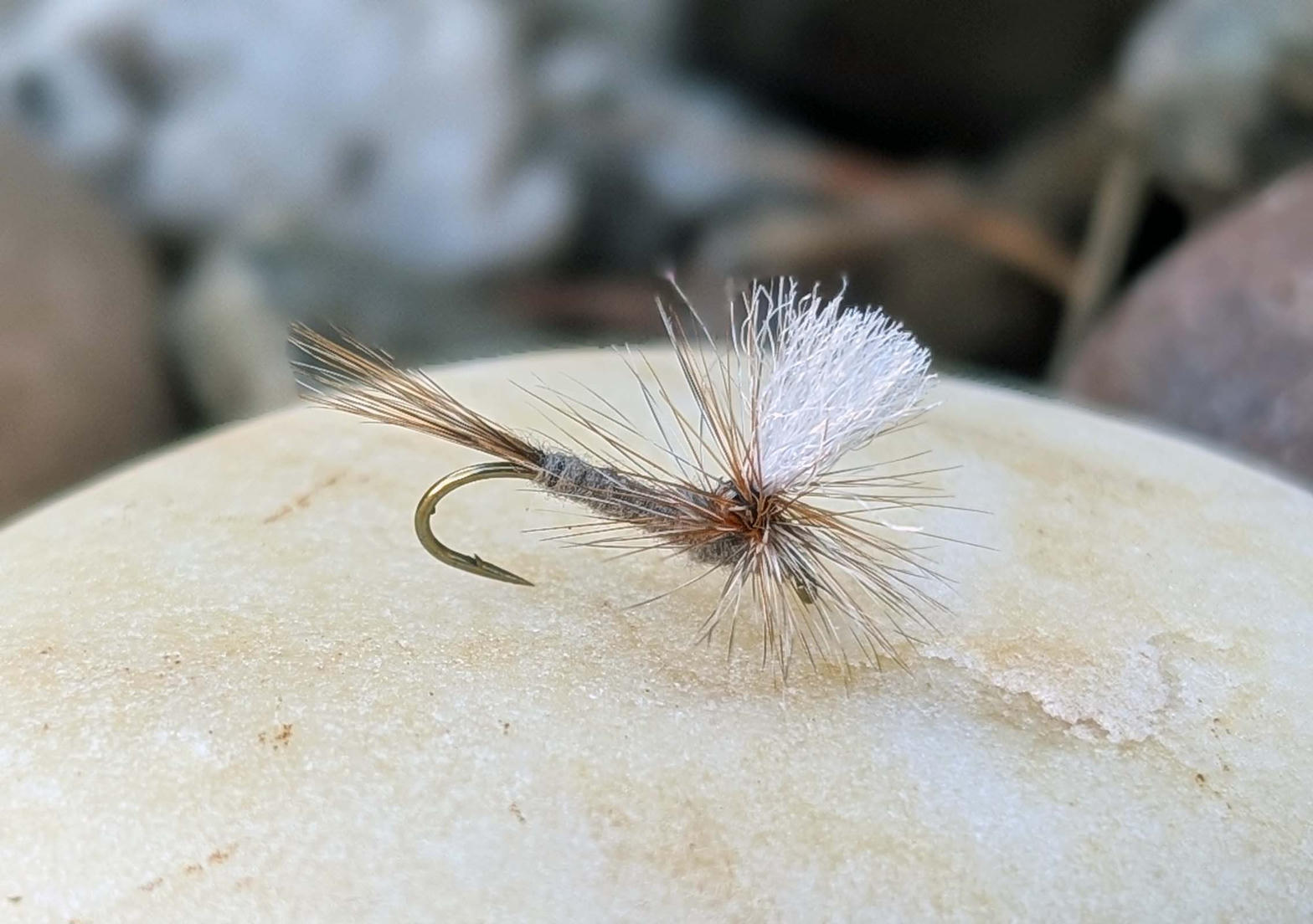
Glass is often prettier here. The fly has time to turn over and sit down instead of stabbing the film. Graphite can be just as quiet if you check the cast and drop the rod tip — it is more work. On a picky spring creek, many anglers reach for glass or a softer graphite 4-weight.
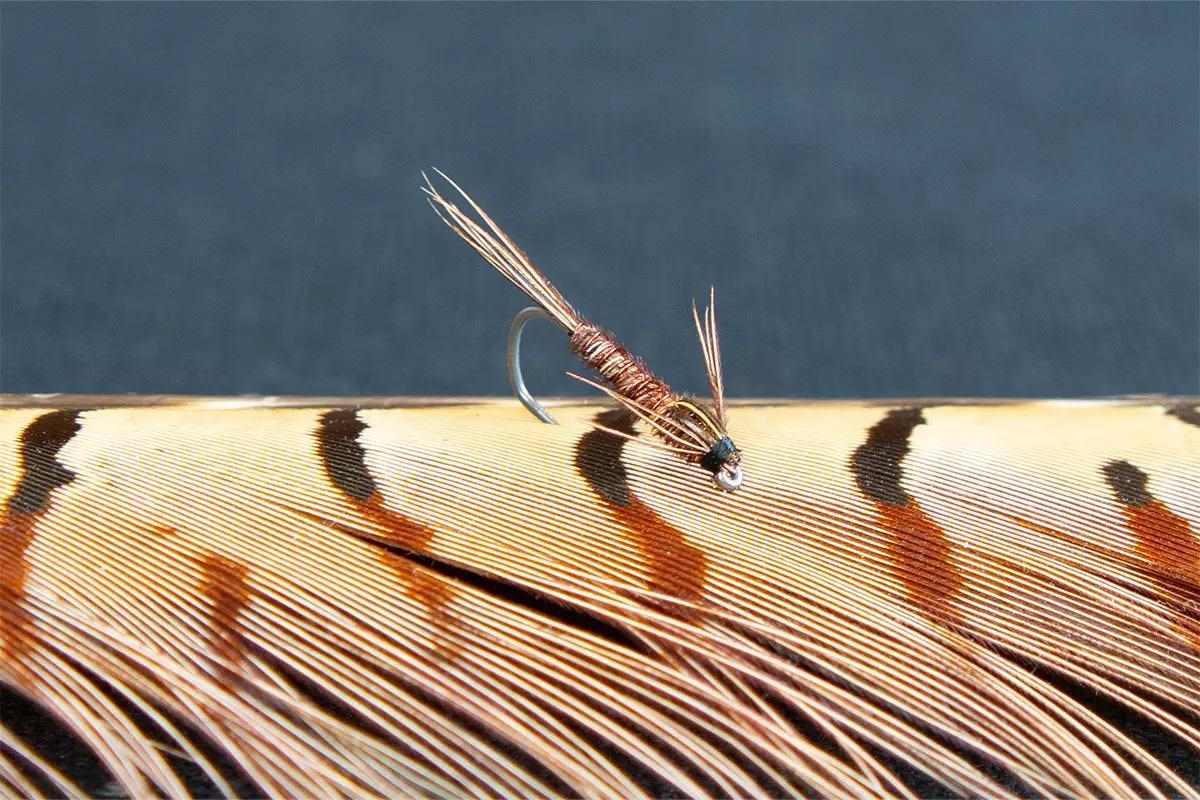
Graphite, especially a longer 10-foot 3- or 4-weight, wins tight-line and indicator work. You see the take in the tip. Glass will nymph a pocket at close range; it will not mend and lead a long drift as cleanly.
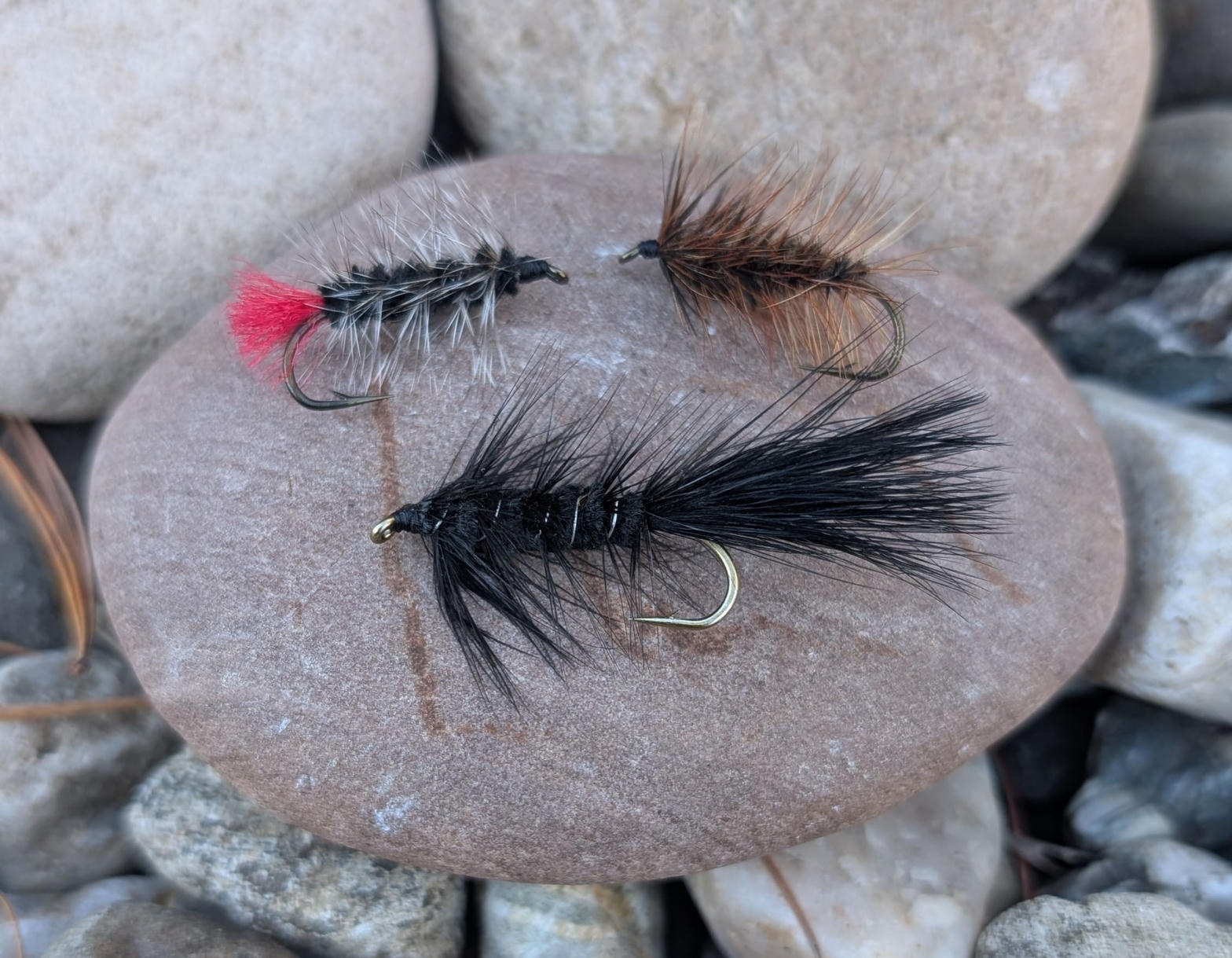
Weighted flies need line speed. A 6- or 7-weight graphite turns them over and picks a sinking line off the water. You can throw a small Woolly Bugger on glass; a conehead sculpin in the wind is a graphite job.
Take graphite. An 8-weight with a fighting butt, a sealed reel, and a line that cuts air. Fiberglass salt rods exist as novelties. The fish and the weather do not care about novelty.
Rod weights, Spey, and travel tubes are on the fly rods page. The spec table lives there too, under graphite vs fiberglass.
As an Amazon Associate, Fisherman's Corner earns from qualifying purchases.
The mixed-water rod. Line speed for wind, light enough for a dry.
View on AmazonCreek length, full flex, the rod you carry when the canopy closes in.
View on AmazonIf a glass 5-weight feels dead, try a 6-weight WF floating line on the lawn first.
View on Amazon